
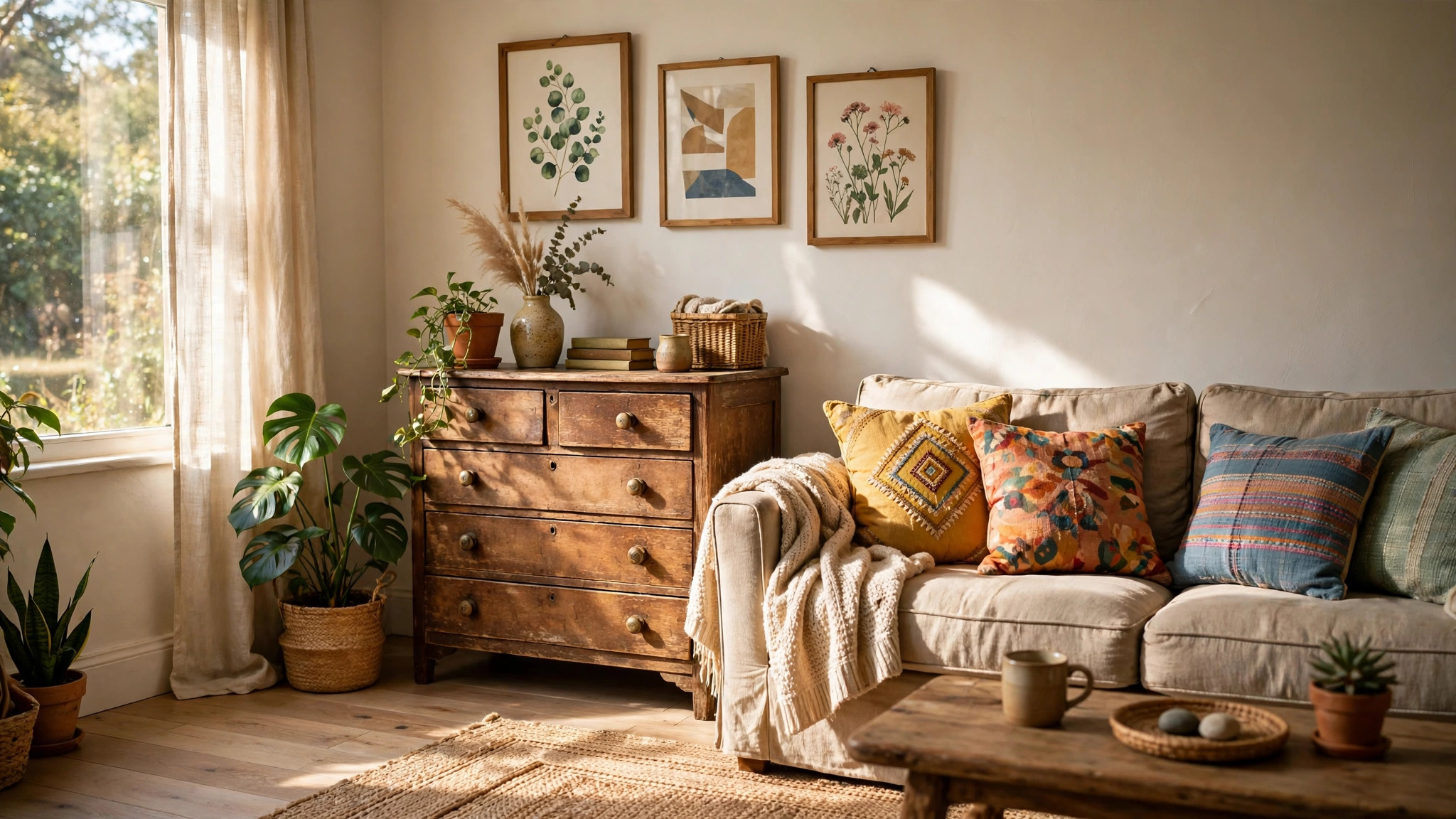

A beautiful home is not a receipt total. Some of the most inviting rooms were decorated slowly, with rearranged furniture, secondhand finds, and one or two smart purchases, while plenty of expensive rooms feel cold. Decorating on a budget is really about sequence and priorities: do the free things first, the cheap high-impact things second, and save your limited spending money for the few items that carry a room. This guide walks through that order, room by room and dollar by dollar, so you can make real progress this weekend without waiting for a windfall.
Start With a Plan, Not a Shopping Cart
Impulse buys are the enemy of a decorating budget. Before spending anything, walk through your home and write down what bothers you in each room and what each fix would cost. Then rank the list by impact per dollar. A gallon of paint, a rearranged layout, and better light bulbs will almost always beat a new accent chair.
Set a simple rule: one project at a time, finished completely. Half-painted rooms and unhung art drain motivation and make a home feel worse, not better. It also helps to choose a loose color palette for the whole home, three or four colors you repeat, because everything you already own suddenly starts to coordinate. As the team at The Dollar Stretcher points out, layered small updates over time usually outperform one big expensive purchase.
Affordable Home Styling Ideas That Cost Little or Nothing
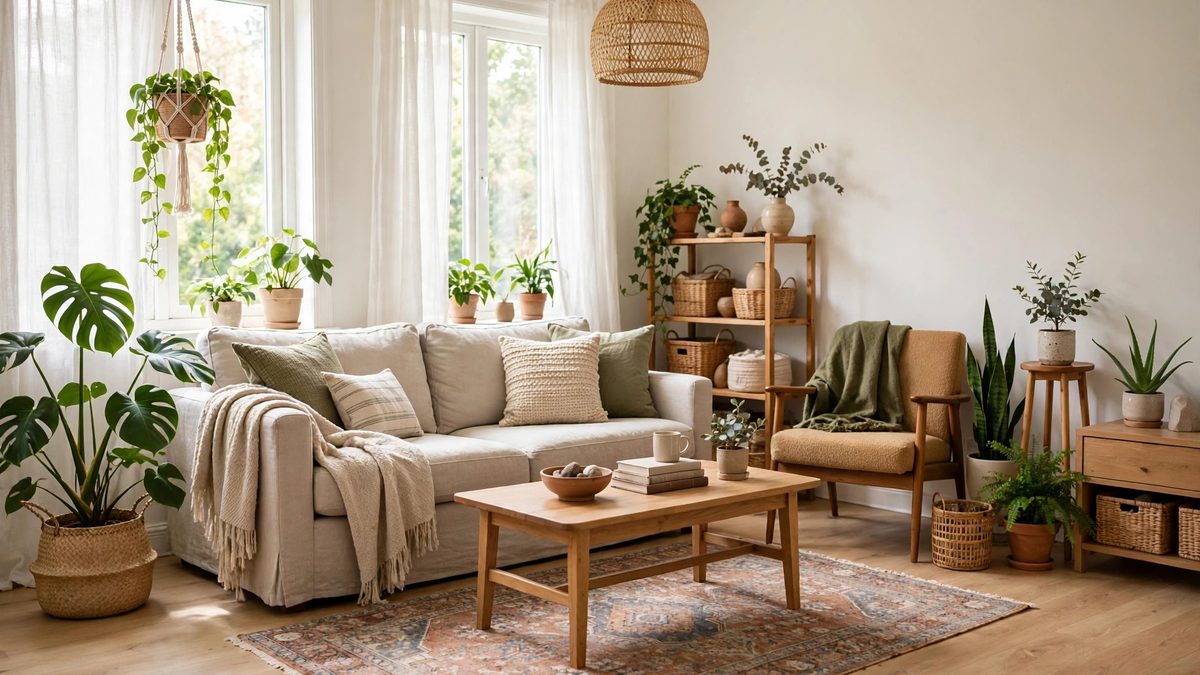
The best affordable home styling ideas start at zero dollars. Rearrange the furniture: pull the sofa off the wall, angle a chair, swap rugs between rooms, and move art to a wall where it gets noticed. Shopping your own home, moving a lamp from the bedroom to the living room, stacking books as a side table, corralling clutter into one pretty basket, refreshes a room more honestly than most purchases.
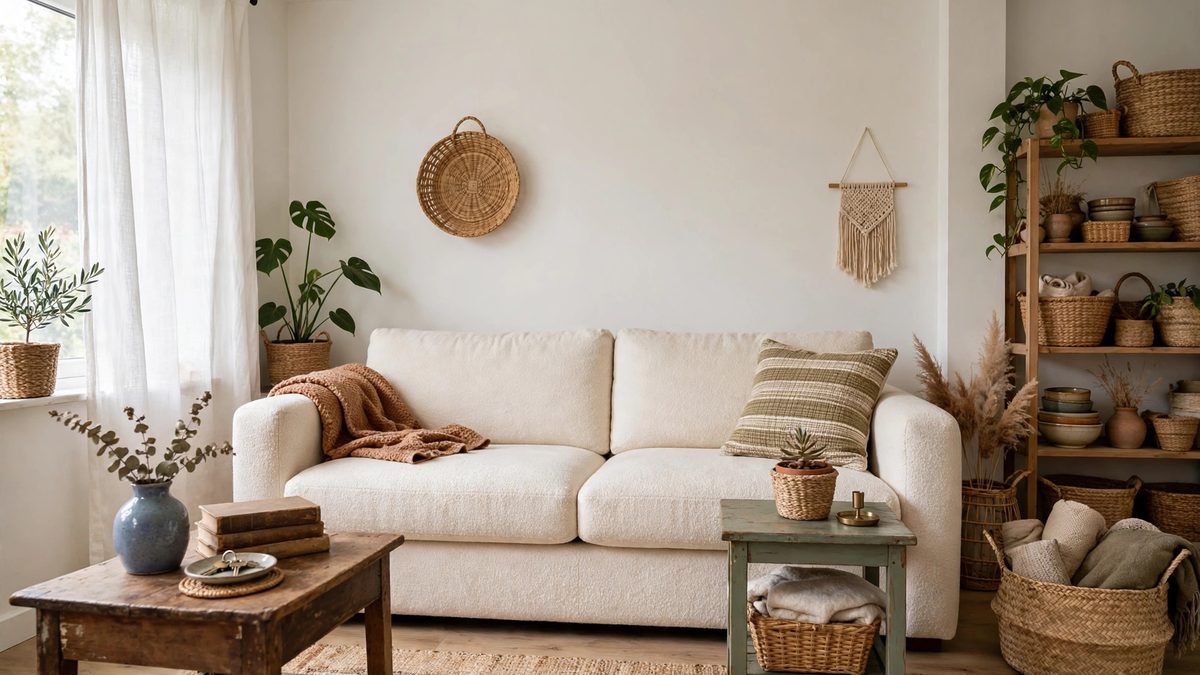
Next, use textiles, the cheapest way to change a room’s temperature. New pillow covers instead of new pillows, a washed cotton throw, or curtains hung higher and wider than the window instantly make a space feel considered. Speaking of curtains, hanging them 4 to 6 inches above the frame so they just kiss the floor is a classic designer trick that costs nothing but ladder time. Finally, fix the light: swap harsh daylight bulbs for warm ones (look for 2700K on the box) and add a thrifted lamp so light comes from several heights instead of one ceiling fixture. For hands-on projects that cost very little, our collection of DIY home decor ideas is a good next read.
Paint: The Cheapest Real Transformation
Nothing changes a room per dollar like paint. A gallon of interior paint typically covers 350 to 400 square feet, enough for the walls of a small bedroom with two coats, and a gallon typically costs between about $30 and $80 depending on brand and finish. That is a complete room transformation for less than a nice dinner out.
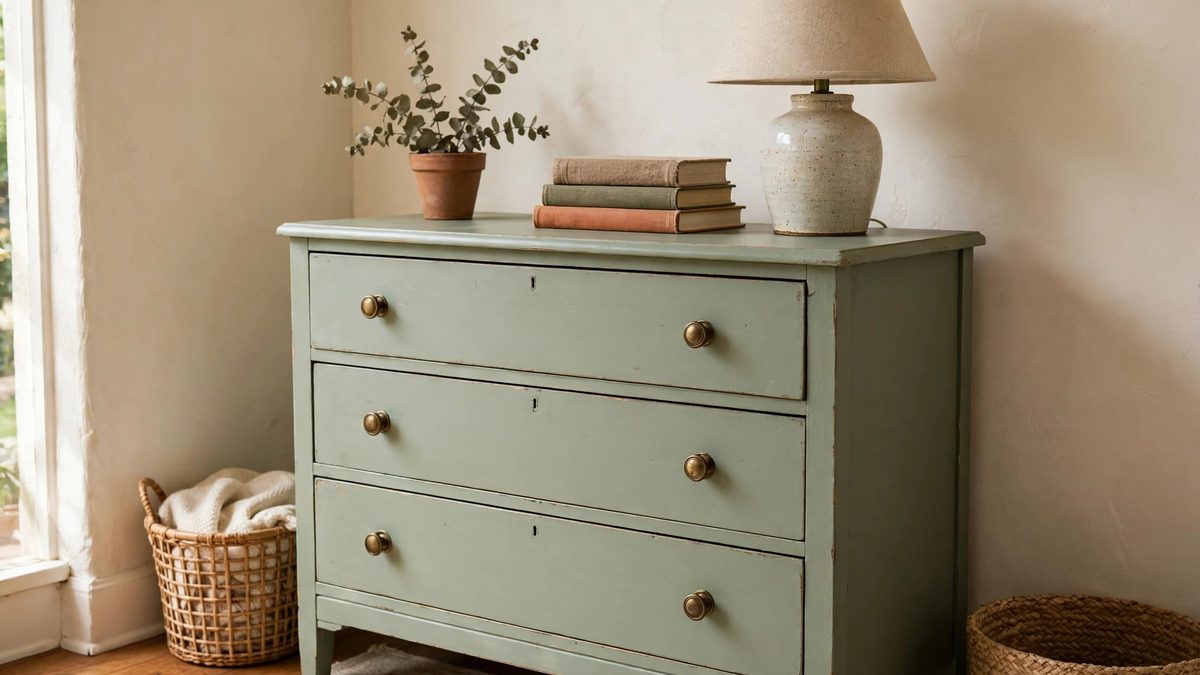
Get the most from it by painting strategically. An accent wall behind a bed or sofa uses a single gallon. Painting tired cabinets, a dated dresser, or hollow-core doors in a rich color makes old pieces look custom. Do not forget the ceiling trick: a soft tint overhead can make a room feel designed rather than defaulted. Buy good brushes and painter’s tape rather than the cheapest ones; tools are where cheap actually shows.
Interior Design on a Budget, Room by Room
Treating interior design on a budget as a whole-house project is overwhelming, so go room by room with targeted, low-cost moves:
- Living room: One large rug anchors everything. If a big wool rug is out of reach, layer an affordable natural-fiber rug (jute or sisal) in a standard size like 8 by 10 with a smaller patterned rug on top. Add matching pillow covers and one oversized thrifted art piece.
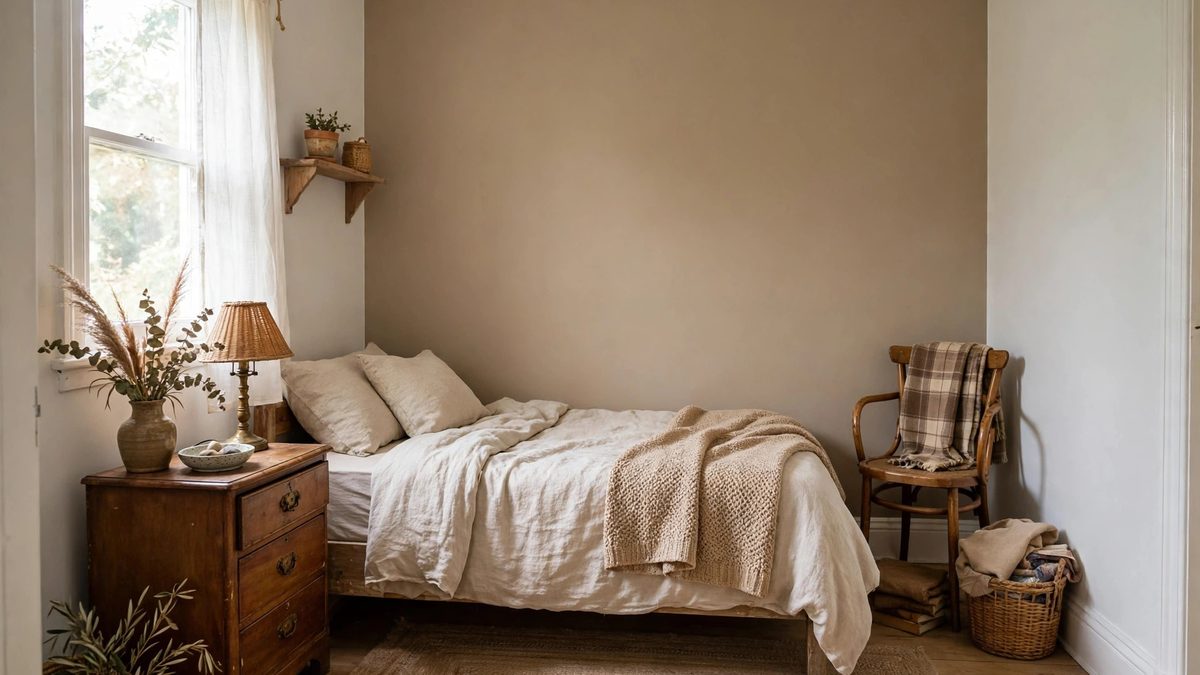
- Bedroom: Bedding is the whole show. Crisp white or warm-neutral bedding, bought on sale, plus two good pillows makes a budget bed look like a boutique hotel.
- Kitchen: Swap cabinet knobs and pulls, typically a few dollars each, roll on cabinet paint if you have a free weekend, and decant everyday items into matching jars. Our friends chasing a modern farmhouse decor look on a budget use exactly these moves.
The same targeted thinking works in the rooms you use most at the start and end of the day:
- Bathroom: A new shower curtain, a framed mirror upgrade (frame the builder mirror with painted trim), and matching towels beat a renovation for daily satisfaction.
- Entryway: A runner, a hook rail, and a small mirror create a landing zone that makes the whole home feel organized.
Secondhand Finds and Simple DIY Upgrades
Secondhand shopping is where budgets turn into character. Solid wood dressers, real brass lamps, vintage rugs, and framed art are all dramatically cheaper used, and often better made than their budget new equivalents. Shop with measurements in your phone (your rooms, your doorways, your wall spaces) and a short list, so you can pounce on the right piece and skip the almost-right ones.
Easy DIY upgrades multiply the effect: spray-paint mismatched frames one color for a gallery wall, re-cover dining chair seats with a staple gun and a yard of fabric, swap dated hardware, or stencil a pattern on a plain rug or curtain panel. And when your lease or your budget forbids permanent changes, the reversible tricks in our renter friendly decor guide keep every upgrade portable.
Where to Save and Where to Splurge
Budget decorating still has a hierarchy. Splurge, relatively speaking, on the things you touch and use daily and that are expensive to replace: a comfortable sofa, a mattress, and one good rug. These carry the room and your comfort, and buying them twice is the real waste.
Save everywhere else. Curtains, pillows, throws, lamps, side tables, art, and storage baskets are all low-risk categories where inexpensive versions look nearly identical to pricey ones, especially once everything is styled together. Paint, plants, and books, the stylist’s trio, are the cheapest finishing layer of all.
A useful test before any purchase is cost per use. A $40 lamp you switch on every evening for five years costs about two cents a day; a $15 trendy accessory that bores you in a season costs far more in real terms. Run your wishlist through that lens and the priorities sort themselves: daily, durable, and loved beats cheap and disposable every time. It also explains why one good purchase a month, made deliberately, builds a better home than a cart full of bargains bought in a hurry, and why the slowest decorators often end up with the rooms everyone else wants to copy.
Decorating Mistakes That Waste Money
The costliest mistake is buying small. Tiny rugs, tiny art, and tiny lamps make a room look cheaper, not thriftier; fewer, properly sized pieces always win. A rug should at least fit the front legs of your seating, and art above a sofa should span roughly two-thirds of its width.
Mistake two is buying a “set” of anything on sale and calling the room done; matching sets read as purchased, not decorated. Mistake three is skipping the sample step: paint samples, fabric swatches, and measuring twice are boring, unglamorous, and save more money than any coupon. Finally, avoid chasing every trend. One trendy accessory is fun; a room of them dates instantly and has to be bought all over again.
Frequently Asked Questions
How can I decorate a room for around $100?
Paint one accent wall (one gallon), rearrange the furniture, shop your home for decor, and spend the remainder on pillow covers or a thrifted lamp. That combination typically delivers the most visible change for about $100, especially if you already own basic tools and brushes.
What should I buy first when decorating on a budget?
Fix light and layout first, since both are free. Then buy paint, then the largest textile the room needs, usually a rug or curtains, because big pieces set the palette. Accessories come last and can be gathered slowly and cheaply.
Is secondhand furniture safe and practical to buy?
Yes, with a quick inspection: check joints for wobble, drawers for smooth movement, and upholstery for odors. Solid wood and metal pieces are the safest buys and the easiest to refinish. Steam-clean or sun out soft items before bringing them into daily use.
How do I make a budget room look expensive?
Scale, consistency, and restraint. Choose fewer, larger pieces; repeat one color palette and one metal finish; hang curtains high; and keep surfaces mostly clear. Expensive rooms are edited, not stuffed.
How can renters decorate on a budget without making permanent changes?
Use peel-and-stick products, tension rods, removable hooks, and layered textiles, and invest only in pieces that move with you, furniture, lamps, rugs, and art. Every dollar then keeps working in your next home too.
Conclusion
Decorating on a budget works when you spend in the right order: free changes first, paint second, secondhand and DIY third, and one or two quality anchors last. Make a ranked list, finish one room at a time, and let your home evolve. The result will look more personal, and honestly more designed, than anything bought all at once.
