
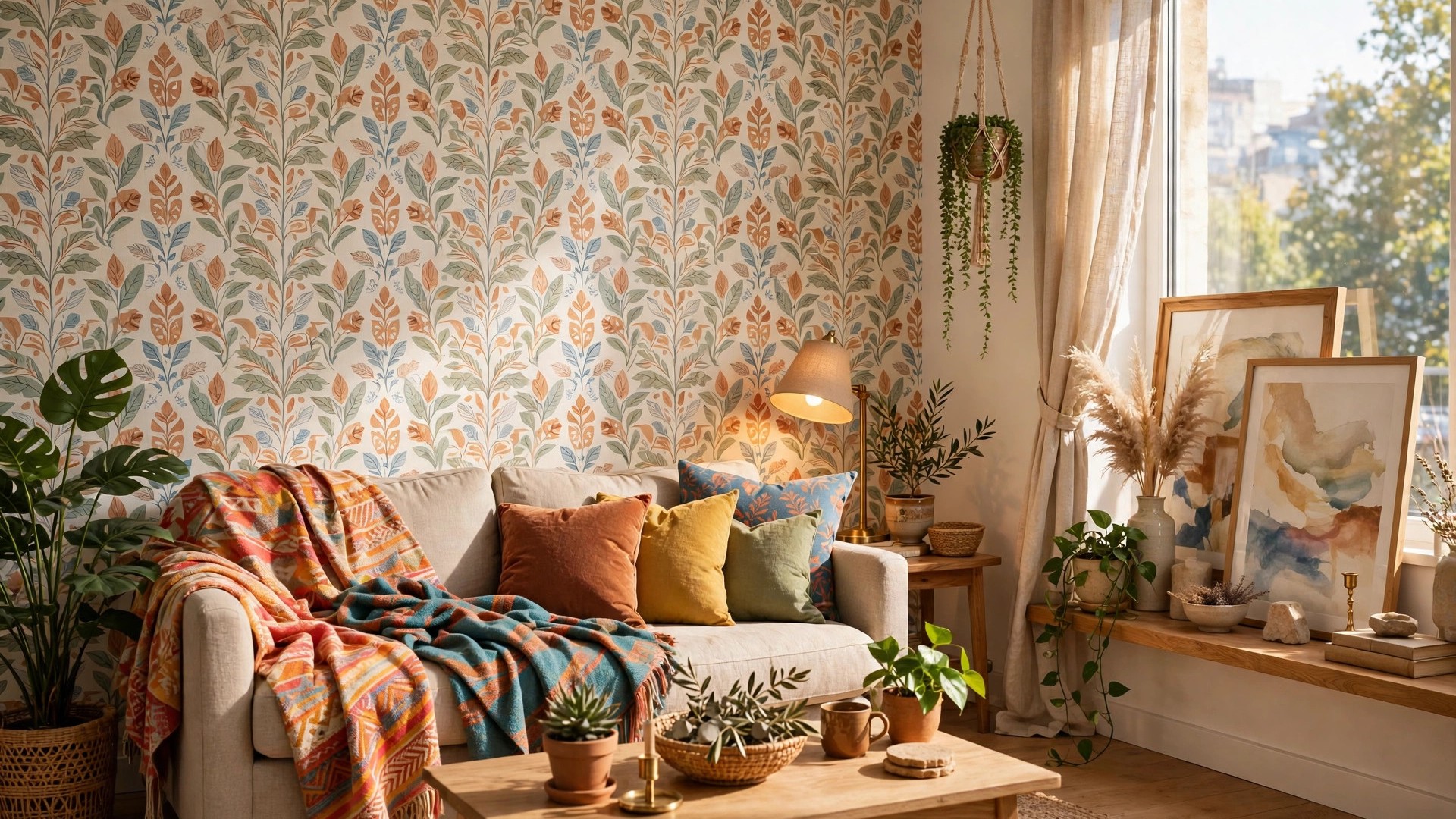

Every renter knows the tension: you want a home that feels like yours, but the walls, floors, and fixtures belong to someone else, and your deposit is riding on the difference. The good news is that renter friendly decor has never had better tools. Removable wallpapers, damage-free hanging systems, tension rods, and plug-in everything mean you can add color, pattern, and personality almost anywhere, then reverse it all in a weekend when you move. The secret is choosing products designed to come off, testing them properly, and knowing exactly where the lease draws the line.
Know the Rules Before You Decorate
Start with your lease, not a shopping list. Most leases ban painting, drilling, and permanent fixtures but say nothing about adhesives, textiles, or furniture, which is where all the fun lives anyway. If you are unsure about a borderline idea, ask your landlord in writing; many say yes to reasonable requests, especially small nail holes, when asked first, and a written yes protects you later.
Property managers give the same advice. The Real Property Management renter’s guide recommends sticking to reversible updates like peel-and-stick products, adhesive hooks, and tension rods, and getting written consent before drilling, hard-wiring, or replacing fixtures. Take dated photos of every wall and floor when you move in, too. They are your proof that the scuff was there before you were.
It is also worth keeping a small “renter file” for the whole lease: your move-in photos, any written permissions from your landlord, receipts for removable products, and a note of where you stored original hardware and fixtures you swapped. If a deposit dispute ever happens, this folder is the difference between an argument and a quick refund. The same file makes move-out easier, because you can retrace every change you made and reverse it in order, rather than discovering a forgotten adhesive strip or swapped cabinet knob during your final walkthrough.
Peel and Stick Wall Decor That Comes Off Clean
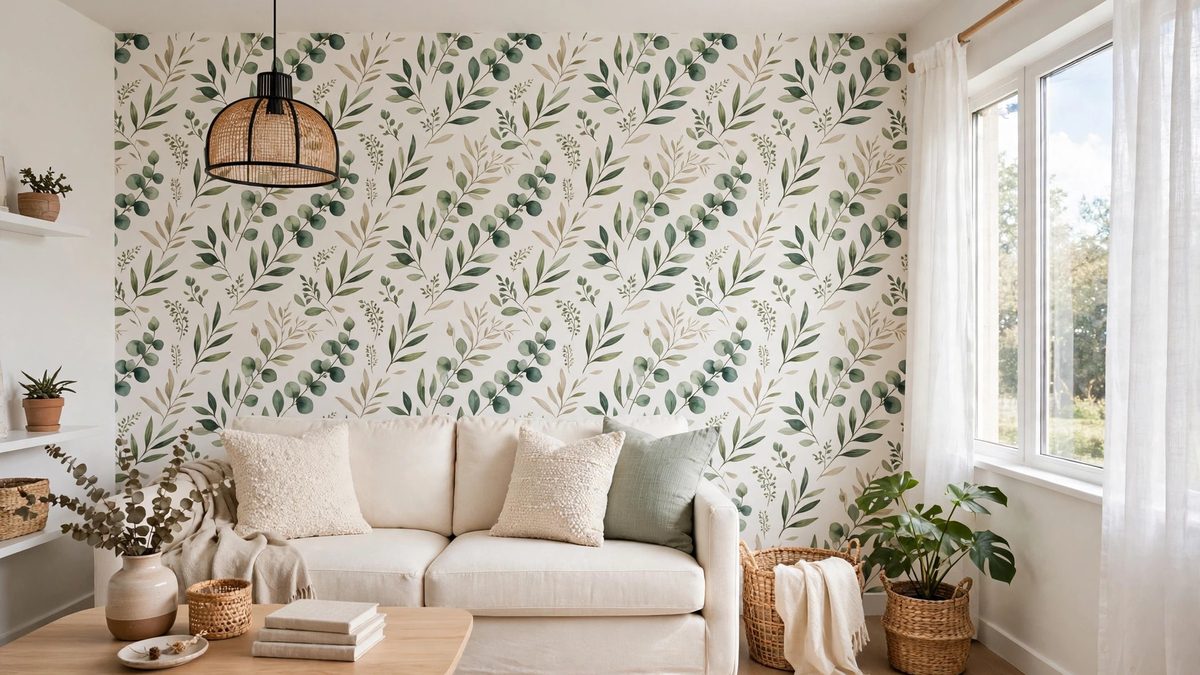
Peel-and-stick wallpaper is the renter’s single biggest upgrade. One accent wall, behind a bed, behind a sofa, or inside a dining nook, can carry a whole apartment’s personality. Modern peel and stick wall decor goes well beyond wallpaper, too: there are removable tiles for kitchen backsplashes and bathroom floors, decals for a quick kids’ room, and even peel-and-stick wainscoting-style panels.
Success depends on prep and patience. Apply to clean, smooth, fully cured paint; skip heavily textured walls where adhesion is poor. Always test a small piece in a hidden spot, behind a door or inside a closet, for a few days and check that it peels without lifting paint. Work slowly with a helper, smoothing from the center outward. Keep the backing sheets and the product name in a folder, and save any leftover material for patch repairs during your lease.
How to Decorate a Rental With White Walls
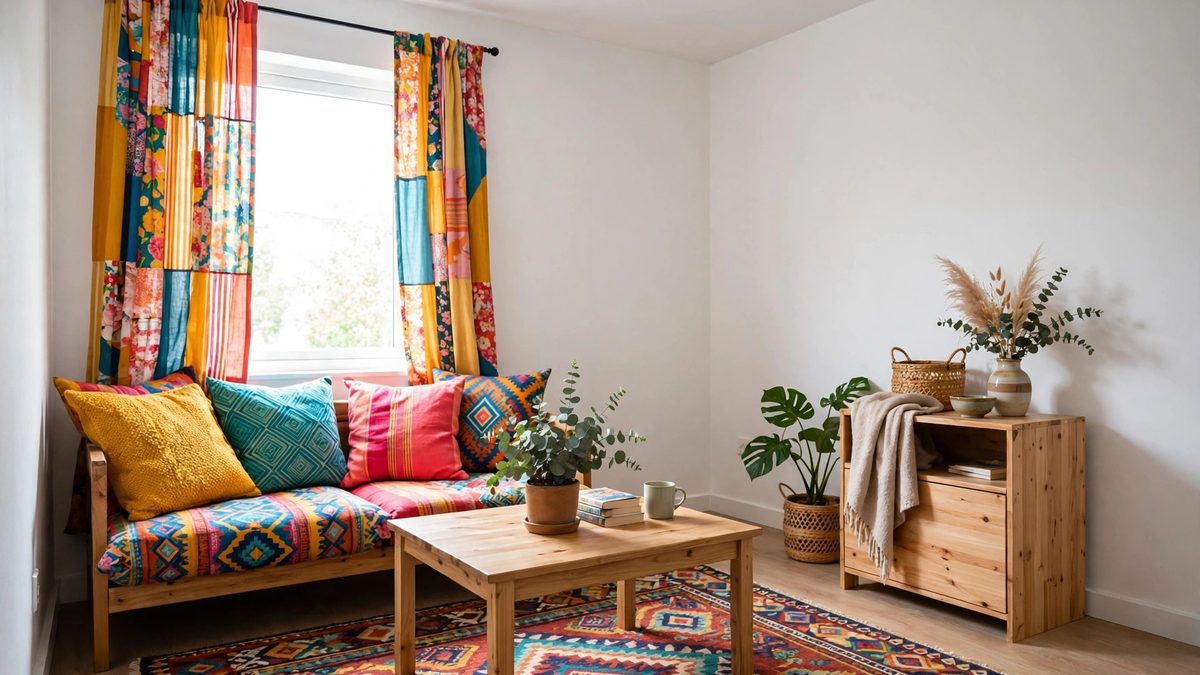
White walls are the rental default, and many leases require you to keep them. So how to decorate a rental with white walls and still get color? Treat the walls as a gallery backdrop and put the color everywhere else. Curtains in a saturated color, hung high and wide, frame the windows and cover a lot of visual wall without touching it. A large rug brings pattern to the biggest surface you are allowed to change: the floor.
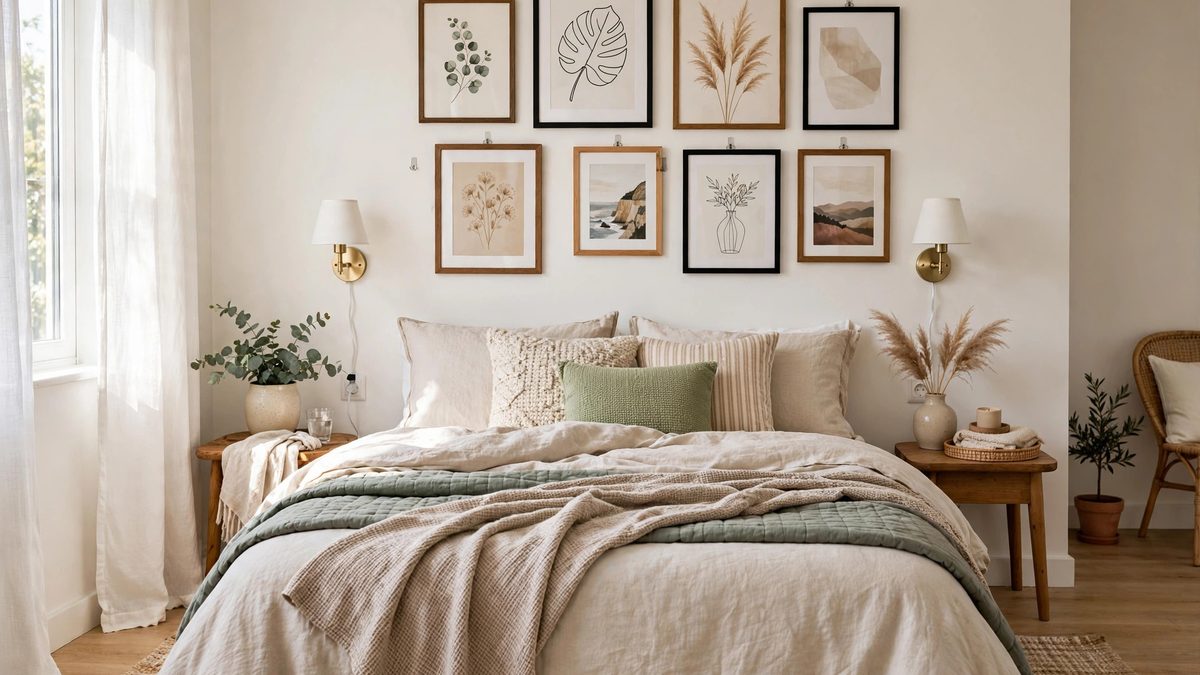
Art is the other answer. One oversized piece, or a gallery wall of frames hung on removable strips, gives white walls a point of view. Lean large art on mantels, shelves, and even the floor for zero holes at all. Then repeat your chosen colors in pillows, throws, and lampshades so the room feels planned. If you need help measuring and hanging window treatments without damage, our guide to how to measure for curtains includes no-drill hanging options that work beautifully in rentals.
Damage-Free Hanging and No-Drill Tricks
Adhesive picture-hanging strips and hooks are the workhorses of rental decorating. Used correctly, clean the wall with rubbing alcohol, press firmly, wait the full curing time on the package, and respect the weight rating, they hold frames, mirrors, and lightweight shelves and release cleanly with a pull of the tab. For anything heavy, lean it instead; a large mirror resting on a dresser looks deliberate and needs no hardware at all.
Tension rods are the other hero. Inside a window frame, they hold cafe curtains or sheers with no holes. Under a sink or in a closet, they corral spray bottles and create extra hanging space. Over-the-door hooks add storage to the backs of doors without a single screw. Plug-in wall sconces and pendant lights, hung from removable hooks with cord covers, solve the rental lighting problem without an electrician. Pair these tricks with the spending priorities in our decorating on a budget guide and almost every upgrade stays portable.
Furniture and Layout Tricks That Need No Permission
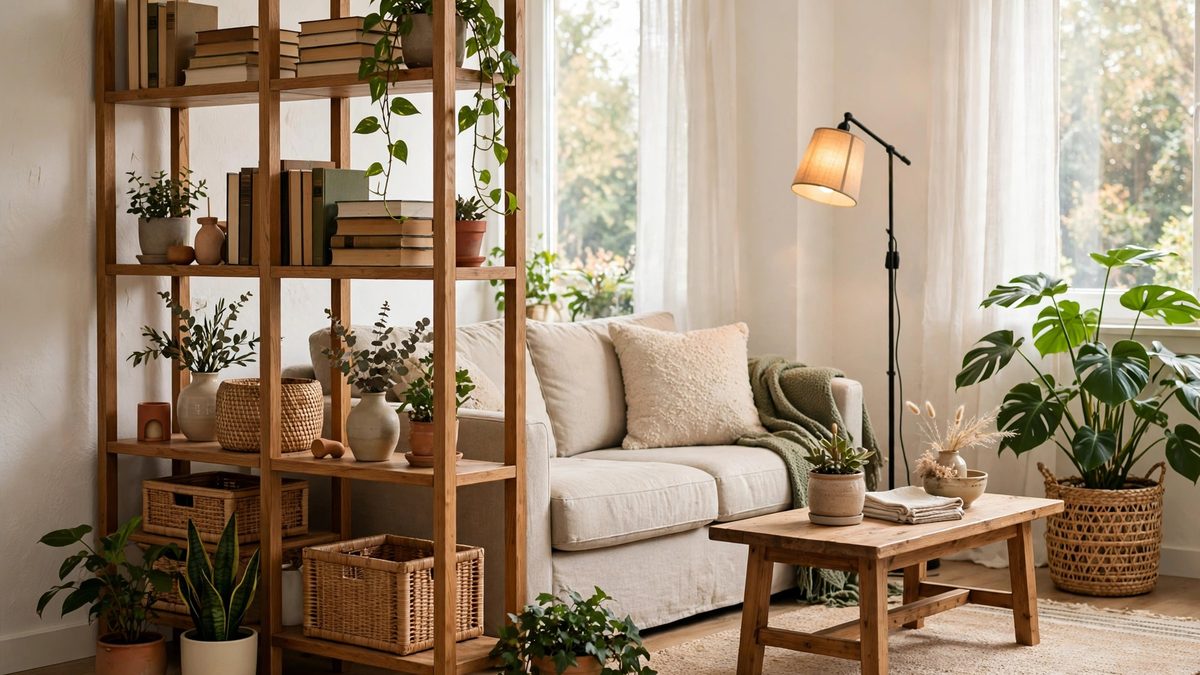
Furniture is the renter’s renovation. A bookcase used as a room divider creates a “wall” you own, defining a work corner or entry zone in a studio. Freestanding shelving, rolling carts, and storage ottomans add the built-in feel without the built-ins. Swap hardware instead of replacing: new knobs on kitchen cabinets (keep the originals in a labeled bag) change the room in an hour and reverse in minutes.
The entryway and kitchen reward renters who think this way. By the door, a bench with baskets underneath, a row of adhesive hooks, and a washable runner create a landing zone that makes the whole home feel organized, without a single screw. In the kitchen, a rolling cart adds the counter space rentals never have, shelf risers double cabinet storage, and a peel-and-stick backsplash (kept away from direct heat unless the manufacturer rates it for stovetop use) makes the room feel renovated. None of it touches the landlord’s property, and all of it can be loaded into a moving truck in an afternoon.
Renters in studios and one-bedrooms benefit most from thinking in zones, rugs, lighting, and open shelving rather than walls, which is the same approach we recommend in our small living room ideas for apartments guide. Choose pieces you would happily take with you; rental decorating money is never wasted when the decor moves when you do.
Renter Decor Mistakes to Avoid
The costliest mistake is assuming “removable” on a label guarantees your specific wall will release it. Paint quality, texture, humidity, and how long a product stays up all matter, which is why test patches are non-negotiable. Second mistake: exceeding weight ratings on adhesive hooks. A fallen mirror costs more than the hook saved.
Painting without written permission is the classic deposit-killer, even in a “better” color, because restoring it means repainting the whole room at your expense. Finally, do not toss original hardware, blinds wands, or fixtures you swap out. Landlords charge replacement prices for missing parts, so store every original piece in one labeled box until move-out day.
Frequently Asked Questions
Will peel-and-stick wallpaper damage my walls when I remove it?
On smooth walls with sound, fully cured paint, quality peel-and-stick wallpaper typically removes cleanly, especially if you peel slowly at a low angle and warm stubborn spots with a hair dryer. Risk rises on fresh paint, cheap flat paint, and textured walls, which is why a hidden test patch for several days is essential.
How can I hang heavy art or a mirror without nails?
Lean it. Large pieces leaned on a mantel, console, shelf, or the floor look intentional and need no hardware. For hanging, use the largest adhesive strips rated for the weight, use several pairs, and follow the curing time exactly. If a piece is genuinely heavy or valuable, ask your landlord about one proper anchor; many will agree in writing.
Can I change the lighting in a rental?
Yes, within plug-in limits. Swap bulbs for warm LEDs, add plug-in sconces and pendant lights with cord covers, and use smart bulbs in existing fixtures for dimming and color control. Save the original bulbs and any fixture parts you remove so you can restore everything at move-out. Hard-wired changes need written permission.
What should I do before moving out to protect my deposit?
Work through a reversal weekend: remove adhesive products slowly, take down tension rods and hooks, reinstall original hardware and bulbs, fill nothing you did not make, and clean thoroughly. Then photograph every room and compare with your move-in photos so you can document the condition you left.
Are there any rooms where renter friendly decor is hardest?
Kitchens and bathrooms, because of moisture, heat, and fixed fixtures. Stick to removable options rated for humidity, avoid peel-and-stick products directly behind stoves unless the manufacturer rates them for heat, and focus on textiles, hardware swaps, and countertop styling.
Conclusion
Renting limits your tools, not your taste. Read the lease, lean on peel-and-stick products and adhesive hanging, put color into textiles and art, and invest in furniture you will take with you. Do that, and renter friendly decor gives you a home that feels completely yours, with a deposit that comes back completely, too.
