
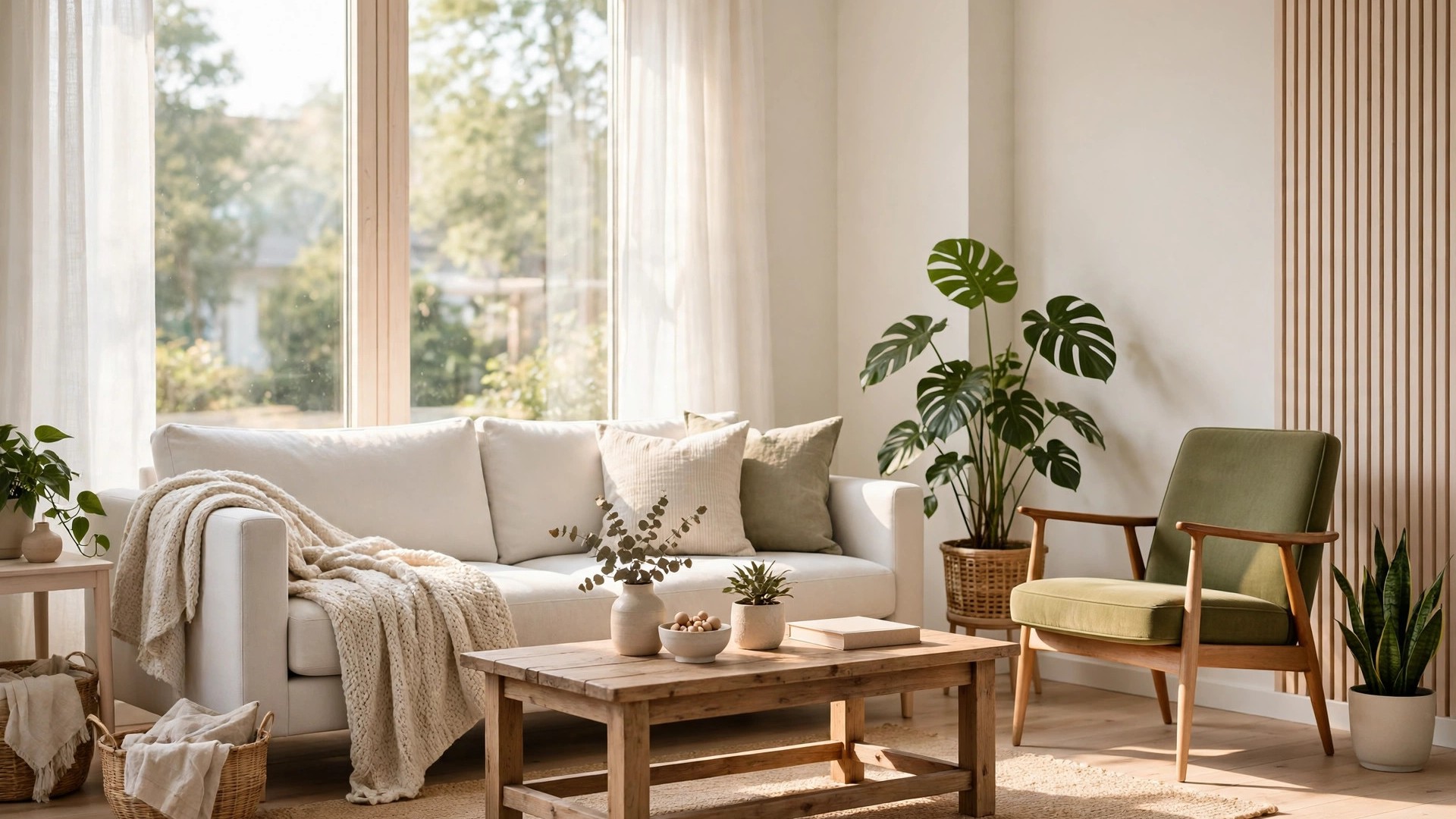

Walk into a furniture store and you will hear a dozen style labels thrown around, modern, transitional, Japandi, grandmillennial, as if everyone agreed on what they mean. They have not, and that is exactly why decorating advice can feel so confusing. Getting interior design styles explained in plain language helps you shop smarter, describe what you like, and mix pieces without worrying that you are breaking rules. Think of styles as recipes rather than commandments: each one is a reliable combination of colors, materials, and shapes. Learn what goes into the main ones, and you can follow a recipe closely or borrow a pinch from several.
What Is Contemporary Interior Design?
People constantly ask, what is contemporary interior design, and how is it different from modern? Contemporary simply means “of the moment.” It describes whatever is current in design right now, which means it shifts over time. Today’s contemporary look favors warm neutrals, curved furniture, natural materials, uncluttered surfaces, and a mix of textures instead of matching sets.
Because contemporary design borrows from several styles at once, it is less a fixed recipe and more a snapshot of current taste. If a room looks like it was decorated this year, calm, layered, with a few sculptural pieces and plenty of breathing room, it is probably contemporary. The interior design overview on Wikipedia traces how these movements evolved from earlier schools, which helps explain why contemporary design keeps absorbing ideas from the styles below.
Modern and Mid-Century Modern
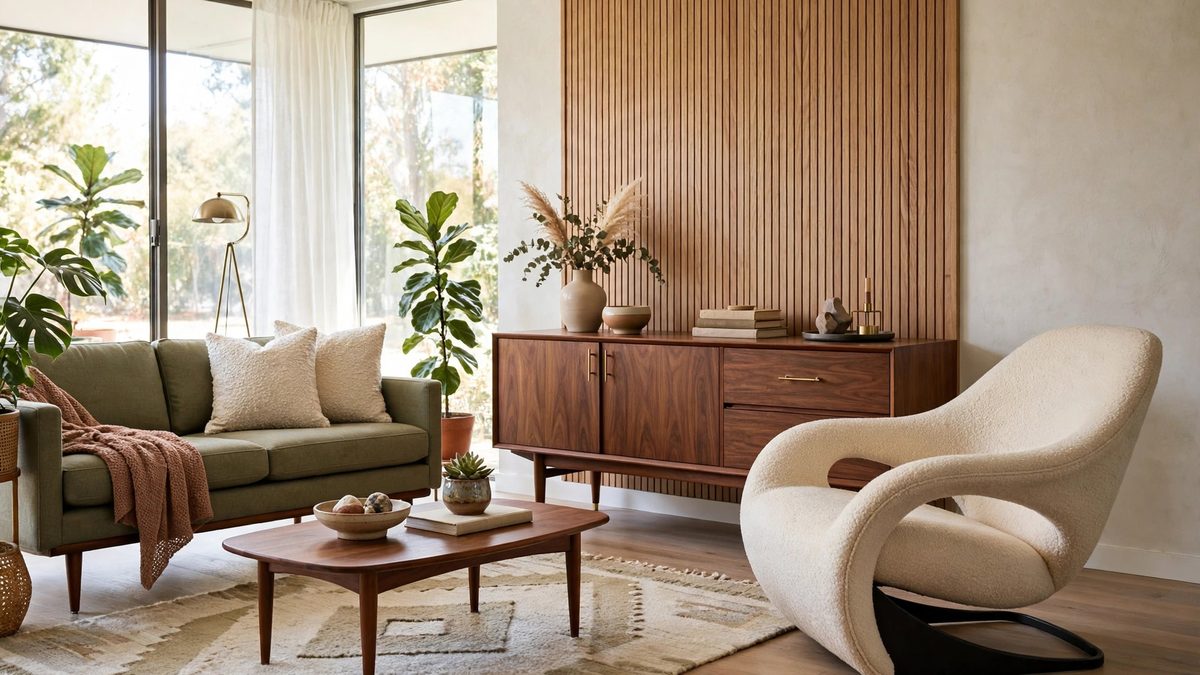
Modern design refers to a specific period, roughly the 1920s through the 1960s, built on clean lines, low profiles, and the idea that form follows function. Mid-century modern is the most popular slice of that era: think tapered wooden legs, walnut tones, geometric patterns, and iconic chairs with molded or sculptural shapes.
To get the look, choose furniture with visible legs and simple silhouettes, keep the palette warm and mostly neutral with one or two bold accent colors like mustard or teal, and favor materials such as wood, leather, and molded plastic or fiberglass. It pairs beautifully with white walls and lots of natural light.
Traditional and Transitional
Traditional style draws on classic European design: rolled arms, skirted or tufted upholstery, rich wood tones like mahogany and cherry, patterned fabrics, and symmetrical arrangements. Rooms feel formal, layered, and timeless, with details like crown molding and Oriental-style rugs.
Transitional is traditional’s relaxed sibling and one of the most popular styles in American homes. It keeps the classic shapes and symmetry but softens everything: neutral palettes of warm gray, taupe, and cream, simpler fabrics, less ornament, and cleaner lines. If you like order and comfort but find traditional a bit fussy, transitional is your middle ground.
A newer offshoot worth knowing is grandmillennial, a playful revival of traditional style popularized by younger decorators. It embraces the “granny” classics, floral prints, needlepoint pillows, skirted tables, chintz, and blue-and-white porcelain, but pairs them with brighter colors and modern art so the room feels cheerful rather than stuffy. If you inherit traditional furniture, grandmillennial shows how to make it look intentional: keep the classic shapes, refresh the palette with crisp whites and clear colors, and add one or two contemporary pieces so the mix reads as curated, not inherited by accident.
Scandinavian and Japandi
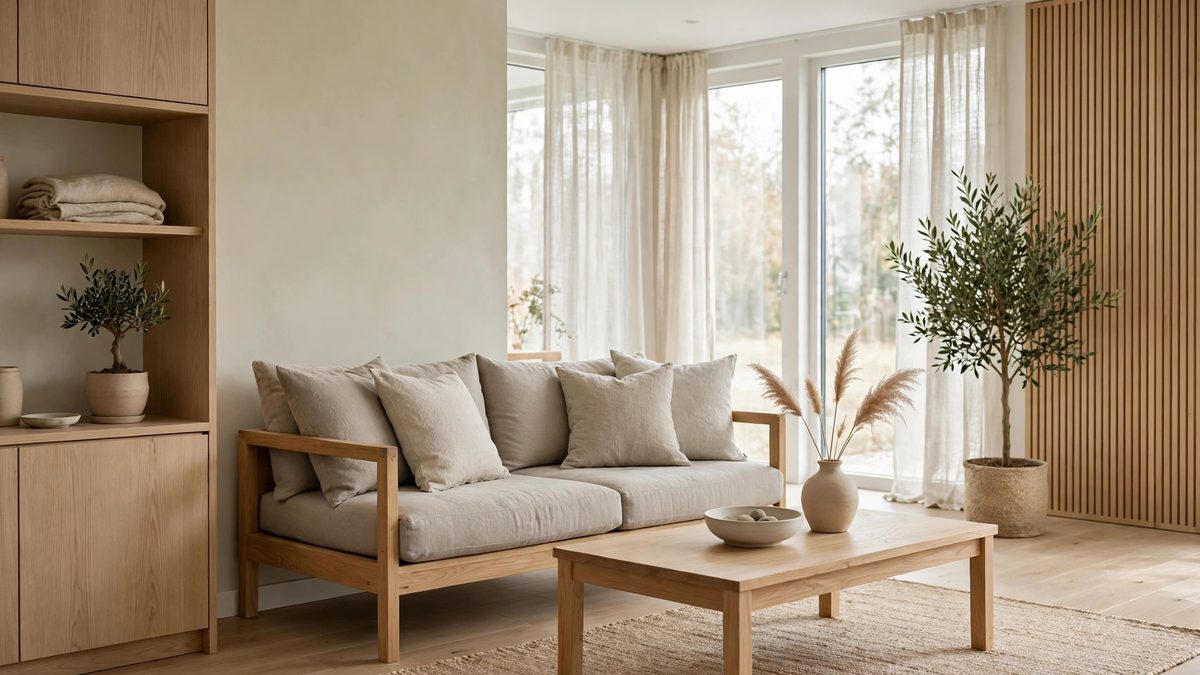
Scandinavian design comes from the Nordic countries and centers on light, function, and coziness. Expect pale woods, white and soft gray palettes, simple furniture with clean lines, and warm textiles layered for comfort in long winters. Clutter is the enemy; every piece earns its place.
Japandi blends Scandinavian function with Japanese minimalism and wabi-sabi, the appreciation of natural imperfection. The palette leans warmer and earthier, with beige, sand, and muted greens, low-profile furniture, and handcrafted details. We explore this fusion in depth in our complete japandi guide, including how to build a Japandi living room step by step.
Farmhouse, Rustic, and Cottage
Farmhouse style celebrates practical, country-inspired comfort: shiplap or beadboard, apron-front sinks, weathered wood, black metal accents, and lots of white and warm neutrals. Modern farmhouse cleans up the look with smoother finishes and fewer knick-knacks, while rustic leans rougher, with exposed beams, stone, and raw, unfinished textures.
Cottage style is farmhouse’s softer cousin: floral or gingham fabrics, painted furniture, slipcovers, and a collected, garden-inspired feel. If you love the farmhouse backbone but want a fresher, more current version, our modern farmhouse decor guide breaks down the updated palette and the budget-friendly ways to get it.
Bohemian and Maximalist
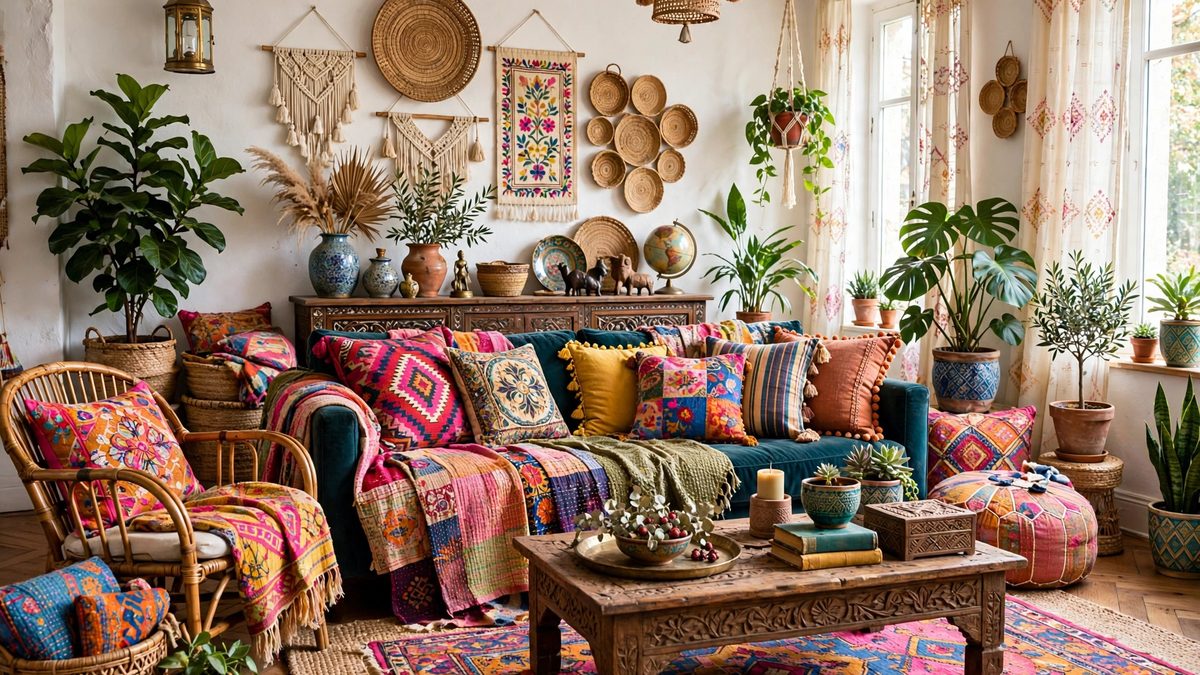
Bohemian, or boho, style is relaxed, global, and personal: layered textiles, woven and rattan pieces, plants everywhere, mixed patterns, and souvenirs from travel or the thrift store. The palette usually starts with warm earthy neutrals and builds with jewel tones.
Maximalism takes boho’s love of layering and turns it up with intention: bold color, dramatic pattern mixing, gallery walls packed with art, and collections displayed proudly. It is not clutter when it is curated. Our maximalist decor guide shows how to layer boldly while keeping a room cohesive, which is the whole trick of the style.
Industrial and Minimalist
Industrial style borrows from old factories and lofts: exposed brick, concrete, blackened steel, Edison-style bulbs, and furniture that mixes metal with reclaimed wood. It suits open spaces and high ceilings, and it softens well with leather seating and warm textiles.
Minimalism goes the opposite direction from maximalism: few pieces, a restrained (often monochrome) palette, hidden storage, and generous empty space. True minimalism is as much about how you live as how the room looks, so expect an emphasis on quality over quantity and a place for everything out of sight.
These two styles are often combined, because industrial spaces can feel cold and minimalism can feel stark. Warm industrial, as the blend is often called, keeps the brick, metal, and wood but layers in upholstered seating, rugs, and warmer lighting. Soft minimalism keeps the edited, uncluttered layout but swaps stark white for warm neutrals and adds natural texture, linen, light wood, a plant or two, so the calm stays but the chill goes. If you are torn between the two columns, one of these hybrids is probably your actual style.
Coastal and Mediterranean
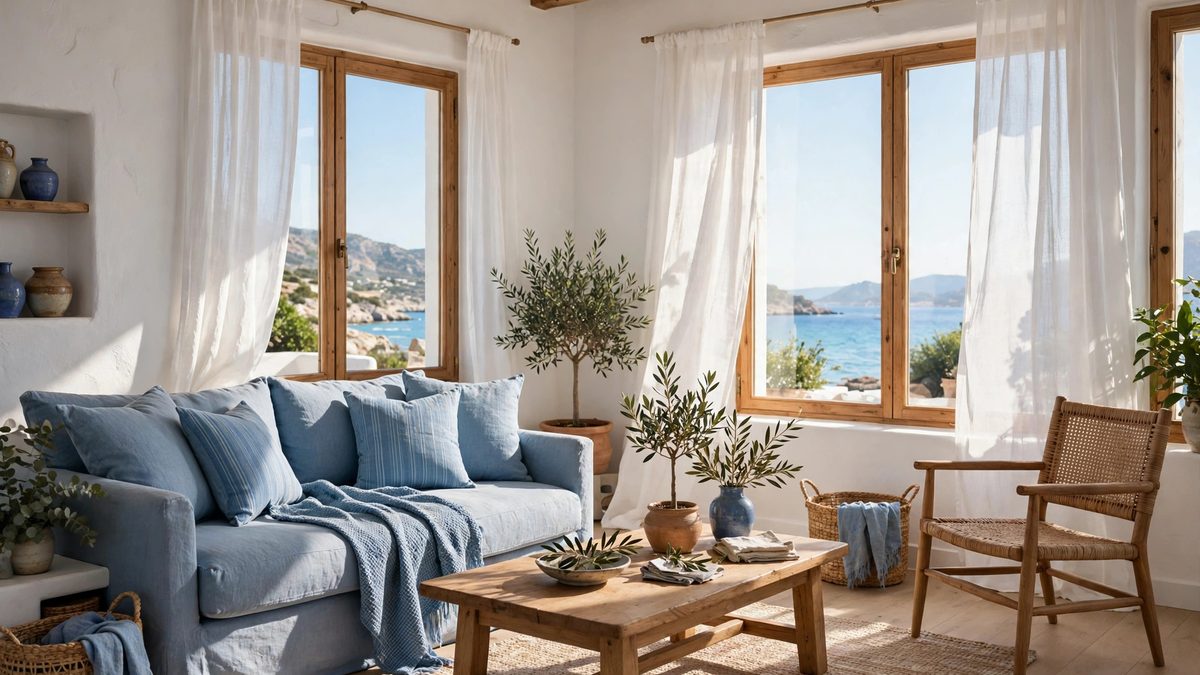
Coastal style channels the beach without a single seashell souvenir in sight, at least in its modern form. The palette is white, sand, and soft blues; the materials are linen, rattan, jute, and light weathered wood. Rooms feel breezy and bright, with slipcovered seating and uncluttered surfaces.
Mediterranean style is coastal’s warmer, older relative, inspired by Spain, Italy, and Greece: terracotta, warm plaster walls, arched details, wrought iron, patterned tile, and deep blue or olive accents. Both styles love natural light and indoor-outdoor living; coastal reads cooler and crisper, Mediterranean richer and more rustic.
Tips for Mixing Styles Without the Clutter
Most real homes are a blend, and blending works when you give the mix a structure. Pick one dominant style to carry about 70 percent of the room, then let a second style provide accents. Keep one element consistent across everything, usually a color palette of three or four colors, so a farmhouse table and modern chairs still feel like they belong together.
Repeat materials, too: if your secondary style brings in black metal, use it in at least three places. And edit ruthlessly. Mixed rooms fail when every piece is a statement; let two or three pieces be the stars and keep the supporting cast quiet.
Frequently Asked Questions
What is the most popular interior design style right now?
Transitional and contemporary looks lead in most US homes because they are flexible and forgiving, while Japandi and modern farmhouse remain strong favorites. In practice, most homes blend two or three styles rather than following one strictly.
What is the difference between modern and contemporary design?
Modern is a historical style from the early to mid 1900s with defined features like clean lines and low furniture. Contemporary means whatever is popular at the current moment, so it changes over time and often borrows from modern, minimalist, and other styles.
How do I figure out my own design style?
Save photos of rooms you love for a few weeks, then look for patterns: the colors, woods, and shapes that repeat are your style, even if you cannot name it yet. Notice, too, what you react against, since dislikes narrow the list fastest.
Can I mix farmhouse and modern pieces in one room?
Yes. Keep the modern pieces’ clean lines and the farmhouse pieces’ warm materials, then unify them with one palette, usually whites, warm woods, and black accents. A 70/30 split, one style dominant, keeps the blend intentional.
Which style is best for a small home?
Scandinavian, Japandi, and minimalist styles suit small homes well because they favor light colors, low furniture, and little clutter. Any style can work, though, if you scale furniture down and keep the palette light.
Conclusion
Styles are shortcuts for describing combinations that work: the warm order of transitional, the clean calm of Scandinavian, the joyful layering of boho. Now that you have the main interior design styles explained side by side, you can name what you love, shop with confidence, and mix deliberately instead of accidentally. Start with one room, choose your dominant style, and let the rest follow.
