
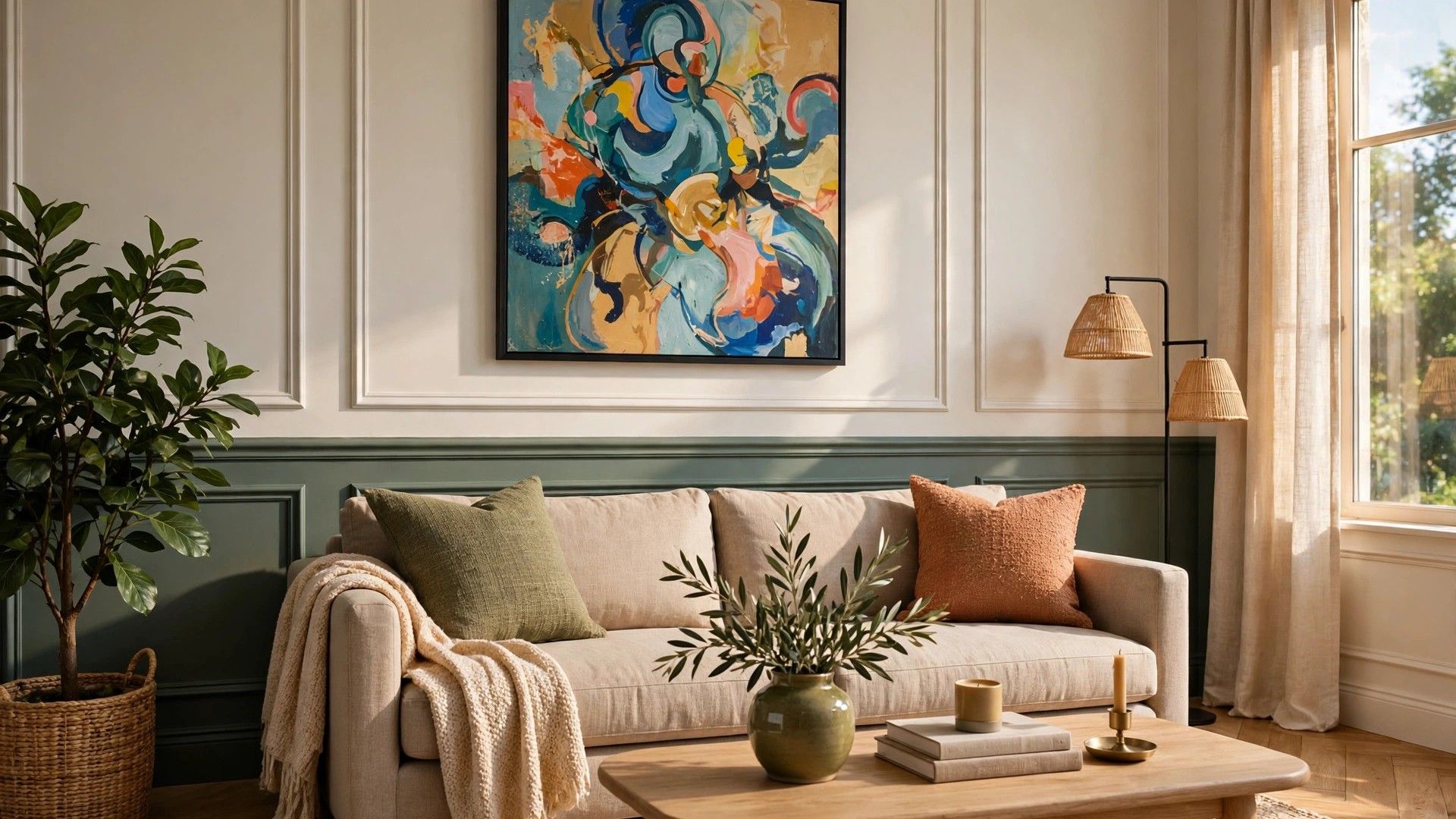

Walls are the largest surfaces in every room, which makes them the largest opportunity. Yet most of us default to one color of paint and a frame or two, then wonder why the room feels flat. The wall design ideas in this guide treat walls as design material — through paint techniques, molding and paneling, wallpaper, art at the right scale, and texture — so you can give any room a deliberate, finished look at almost any budget.
You do not need to use every idea. The secret of rooms that feel designed is usually restraint: one strong wall treatment per room, supported by calmer choices elsewhere. Read through the options, pick the one that suits your room’s size, light, and job, and let the measurement rules below keep it looking professional.
Paint Techniques Beyond a Single Color
Paint is the cheapest wall design tool, and technique multiplies its power. Two-tone walls — a deeper color below a chair rail or picture line, lighter above — add architecture to plain rooms and suit hallways, dining rooms, and bedrooms. Color blocking paints a bold shape (an arch behind a bed, a rectangle behind a desk, a band around the room) to create a focal zone without furniture.
Other paint moves worth knowing:
- Limewash and plaster-look finishes add cloudy, movement-filled texture that flat paint lacks; they flatter Mediterranean, organic, and minimalist rooms.
- A painted ceiling — the “fifth wall” — in the wall color or a shade deeper makes tall rooms feel intentional rather than echoey.
- Stripes done in two sheens of the same color (matte and satin) give subtle, tailored pattern with zero color risk.
Whatever the technique, test on the wall itself: painter’s-tape a large square and live with it through a full day of changing light before committing gallons. Hallways teach this lesson fastest — the same color can shift dramatically in low, artificial light, and what shifts there will shift in any room with similar light.
Contemporary Wall Decor: Paneling, Molding, and Texture
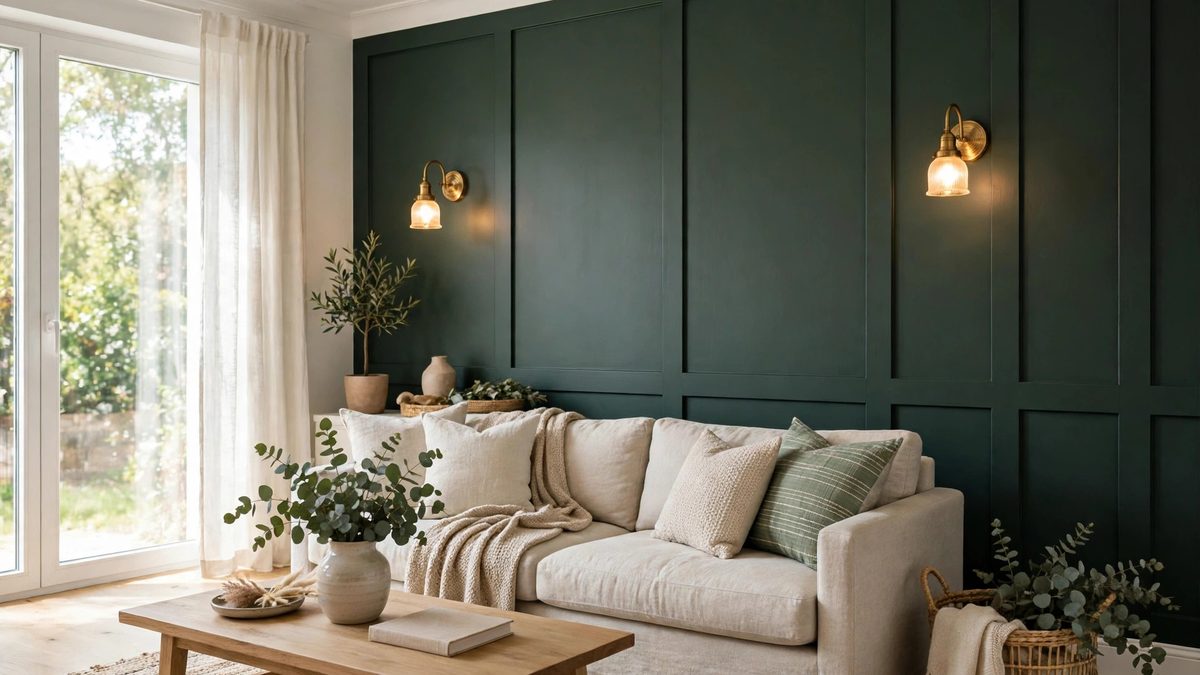
The defining move in contemporary wall decor is built-in texture. Picture-frame molding — slim trim boxes applied to drywall and painted the wall color — adds shadow lines and classic structure for the cost of trim and a weekend. Wood slat walls bring warmth and rhythm, in full-wall or partial installations behind beds, sofas, and TVs. Board and batten and shiplap remain farmhouse favorites, though thinner, wider-spaced battens read more current than the rustic originals.
Scale the treatment to the room: full paneling in a small powder room feels jewel-box special; in a large living room, one paneled wall behind the sofa is usually enough. Keep trim profiles in proportion — in a room with 8-foot ceilings, molding boxes look best with rails around 3 to 4 inches wide and boxes that end about 6 inches from corners and ceiling lines. If you love this direction, the hallway is a forgiving place to practice: our hallway wall decor guide includes a full wainscoting and picture-molding walkthrough with heights and spacing.
Using Colorful Artwork as a Focal Point
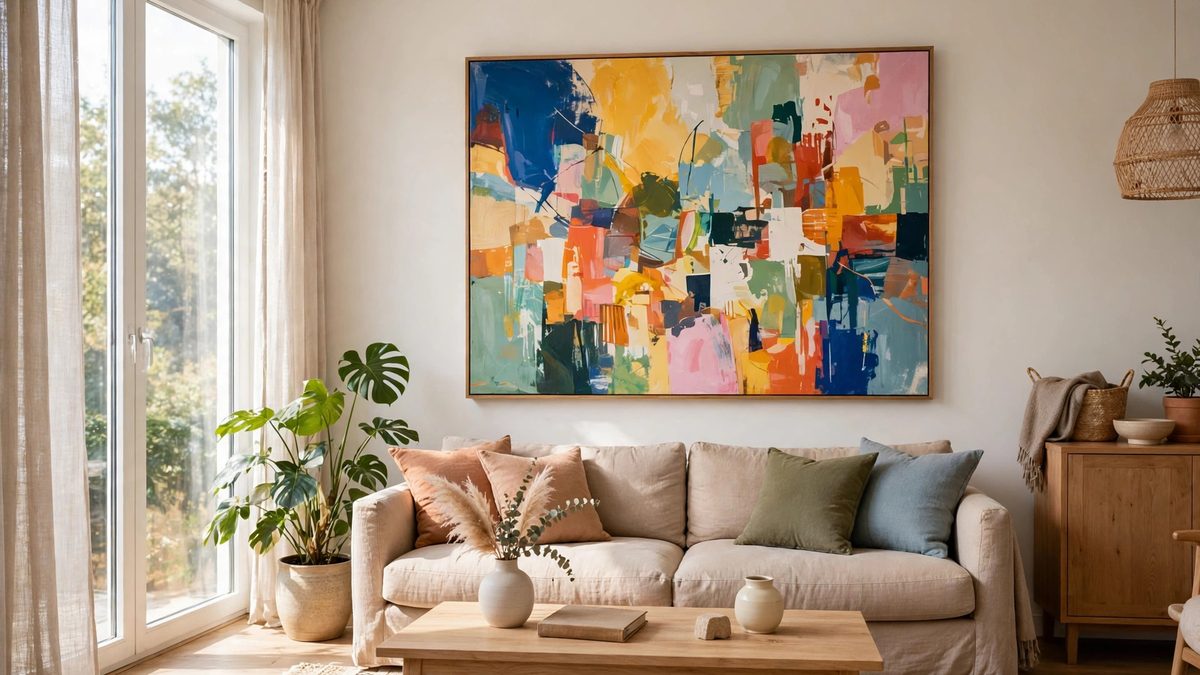
Art is the wall design element with the most personality, and colorful artwork can carry an entire neutral room. The rule that makes it work is scale: a piece (or grouping) above a sofa or console should span roughly two-thirds the width of the furniture below it. For a 84-inch sofa, that means art totaling about 55 inches wide — far bigger than most people first buy, which is why so much art looks lost.
Hang the center of the art at about 57 inches from the floor, or 6 to 8 inches above the furniture it sits over, whichever your layout demands. Build groupings with 2 to 3 inches between pieces. If one bold artwork is out of budget, a grouping of smaller prints in matching frames with one shared color gives the same impact — our gallery wall layout guide has the templates. Finish with a picture light or a nearby lamp: art in shadow loses half its color.
Wallpaper, Murals, and Removable Options
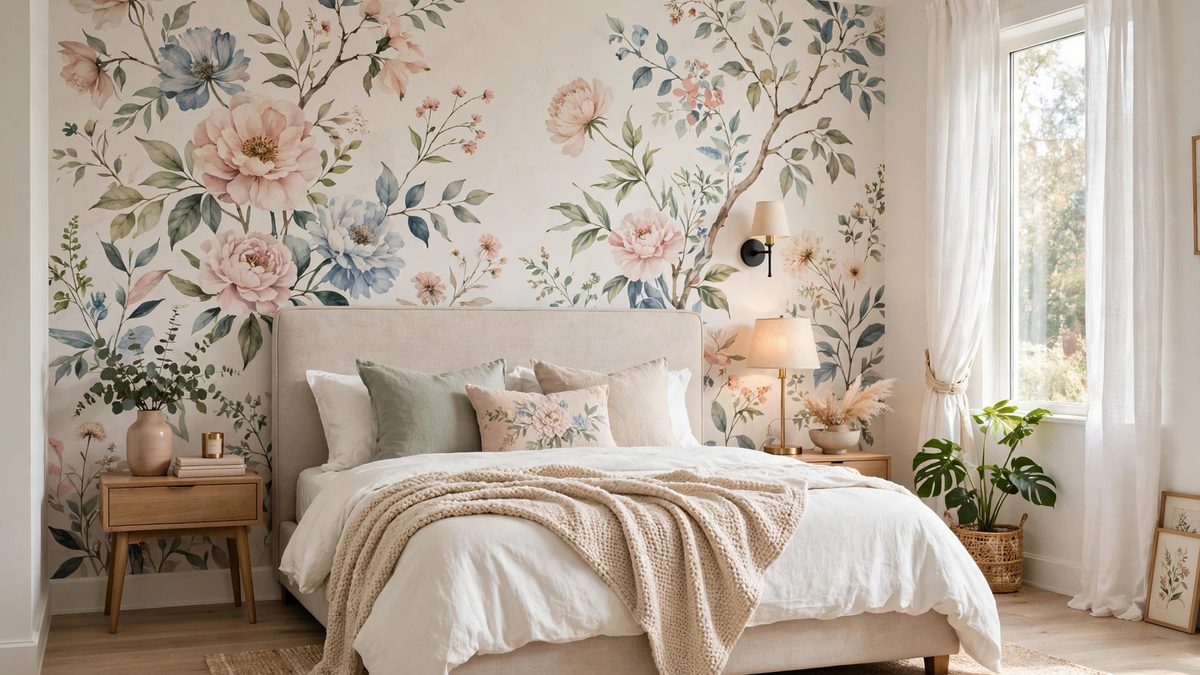
Wallpaper delivers pattern and texture at a scale paint cannot. Current favorites include grasscloth for quiet texture, large-scale botanicals and landscapes that behave like murals, and classic small prints (stripes, block prints, ditsy florals) for traditional rooms. Use it on one wall in open-plan spaces, all four walls in small enclosed rooms like powder rooms and offices where the envelope effect feels intentional.
Peel-and-stick wallpaper has matured into a genuinely good removable option for renters and commitment-phobes: it installs in an afternoon and comes down without damage on sound paint. Choose vinyl or vinyl-coated papers in kitchens and baths where steam lives. Cost note: because wallpaper is sold by the roll and walls vary, expect to pay more per square foot than paint — one reason the single accent wall remains the budget-savvy classic.
Whole-Room Color: Drenching and Flooding
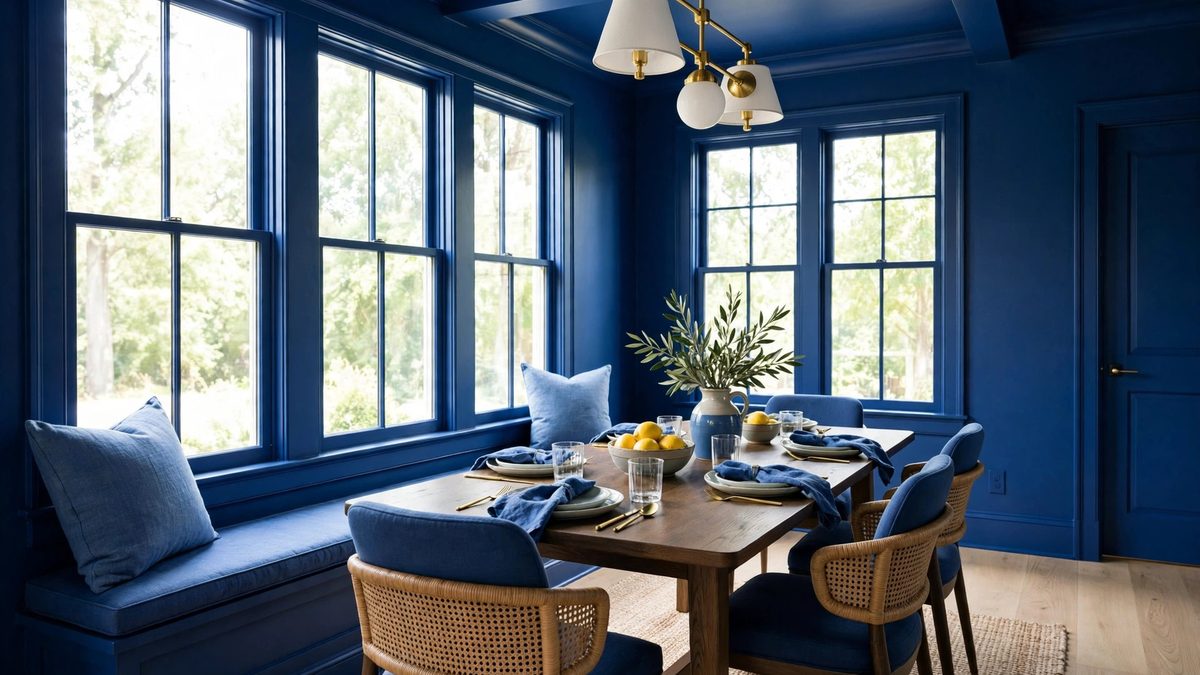
At the boldest end of wall design sits color drenching — painting walls, trim, and often the ceiling in one saturated color so the room feels cocooned and cohesive. It sounds daring, but a single color everywhere can actually calm a room with awkward angles or mismatched trim, because your eye stops reading the breaks. Media rooms, dining rooms, libraries, and primary bedrooms wear it best.
If drenching feels like too much, its softer cousin — walls and trim in the same color family at different depths — gives most of the cohesion with more light play. Our explainer on colour flooding walks through what color drenching is, where it works, and how to test it without regret.
Wall Ideas Room by Room
- Living room: one treatment wall (paneling, slats, or art) behind the sofa; keep the TV wall calm or integrated.
- Bedroom: texture or color behind the headboard; symmetry in art or sconces flanking the bed.
- Dining room: two-tone walls with a chair rail, or full drenching for evening drama.
- Entryway and hallway: durable lower-wall treatments — wainscoting shrugs off bags and boots — plus art above.
- Home office: a color-blocked backdrop for video calls or pinboard-friendly cork and shelving on one wall.
- Kids’ rooms: chalkboard or magnetic paint on one lower section, removable decals elsewhere — design that can grow up.
The through-line: treat the wall your eye lands on first, and let the others support. The Wikipedia overview of interior design offers useful background on how professionals think about surfaces, focal points, and proportion if you want the theory behind these choices.
Budget Wall Upgrades Under a Weekend
- A gallon of paint in a new sheen or a two-tone split: the highest-impact low-cost move there is.
- Painter’s-tape “molding”: taped rectangles painted in the wall color with a satin sheen fake paneling surprisingly well.
- A thrifted-frame gallery with printed-at-home art.
- One roll of peel-and-stick wallpaper behind shelves or in a nook.
- Rearranging: moving the big art to the blank wall and the mirror opposite the window costs nothing and changes everything.
Wall Design Mistakes to Avoid
- Too many treatments in one room. Paneled walls plus a mural plus a gallery equals visual noise; pick one star.
- Art too small or too high. Two-thirds of the furniture width, centered near 57 inches.
- Glossy paint on imperfect walls. Higher sheens spotlight every bump; matte and eggshell forgive.
- Ignoring the light. North-facing and windowless rooms distort color — always test big.
- Forgetting the ceiling line. Treatments that stop a few inches short of the ceiling look accidental; take them up or give them a deliberate cap.
Frequently Asked Questions
What is the easiest wall design idea for beginners?
A two-tone paint treatment or picture-frame molding painted the wall color. Both are inexpensive, reversible, and make a plain room look architecturally finished.
Should every wall in a room have a design treatment?
No. One feature wall plus calm supporting walls is the reliable formula. Small enclosed rooms are the exception — full wallpaper or color drenching can feel intentional there.
How big should wall art be over a sofa?
Aim for a piece or grouping about two-thirds the width of the sofa, hung with its center around 57 inches from the floor or 6 to 8 inches above the sofa back.
Is peel-and-stick wallpaper a good idea?
Yes for renters and low-commitment refreshes, on smooth, sound-painted walls. In steamy bathrooms or behind sinks, traditional vinyl wallpaper holds up better.
What wall colors make a room look bigger?
Light, warm neutrals reflect the most light, but a single dark feature wall can also add depth that makes a room feel larger. Consistent color across walls and trim removes visual breaks, which helps any size.
Conclusion
Good wall design is a series of small, confident decisions: a paint technique that adds depth, one textured or paneled wall, artwork at honest scale, and color that suits the room’s light. Choose the treatment your room is asking for, measure before you commit, and leave the supporting walls calm. The largest surfaces in your home will finally be doing their share of the decorating.
